
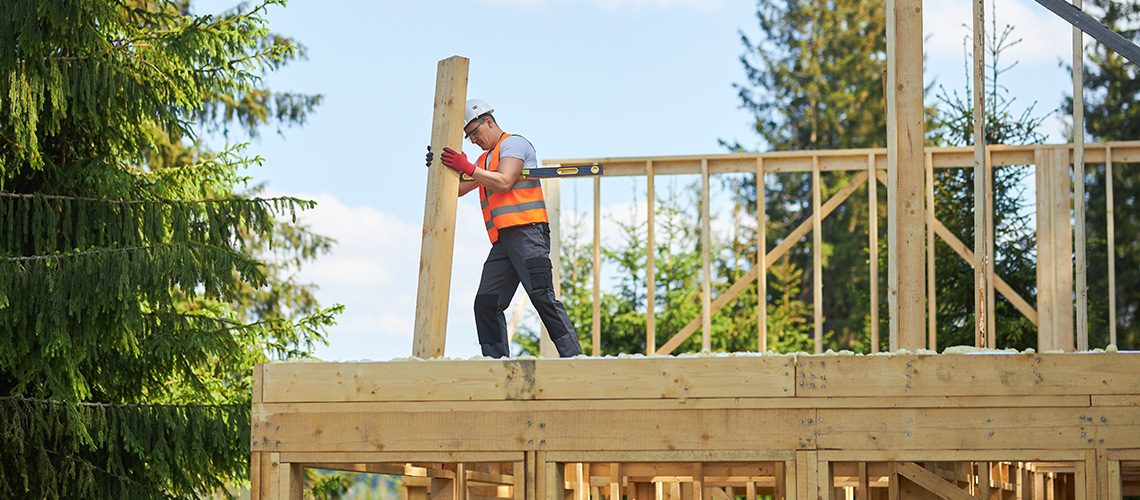

In South Carolina, summer doesn’t slowly arrive. By June, job sites from the Lowcountry to the Midlands to Upstate are already in the 90s with high humidity. These are the workdays that push both contractor crews and equipment to their limits.
Because when the weather heats up so do the risks.
For contractors, the summer strain is a real operational challenge.
Workers fatigue faster. Machines start breaking down. Small problems that might go unnoticed in April can turn into costly delays, breakdowns, or safety incidents by mid-season.
Here’s what you need to know:
- Heat has a big impact, slowing crews, straining equipment, and increasing risk
- Most safety incidents aren’t caused by heat directly, but by fatigue and reduced focus
- Equipment issues in summer are usually gradual—but still costly
- Coverage gaps (especially for tools and equipment) often show up during peak season
The good news? Most of these risks are predictable and manageable if you plan ahead.
Why South Carolina Summer Hits Contractors Differently
Heat is one thing. South Carolina heat is a whole other beast.
Contractors and those in the industry should expect:
- Fatigue to set in earlier than usual
- Recovery time between tasks to take longer
- Focus and reaction time to decrease, especially as the time in the heat increases
Longer hours, tighter timelines, and more active job sites mean crews are already stretched. Pile these difficulties on top of the fact that summer is peak season for most SC contractors and it’s easy to understand the mounting challenges for these businesses.
While most contractors are used to potential risks, summer amplifies the ones already built into the job.
Equipment Breakdown: When Heat Becomes a Productivity Problem
On a hot South Carolina afternoon in August, not only are your crew feeling the strain, but your equipment is too.
Extended heat exposure affects everything from diesel engines and hydraulic systems to electrical components and rubber seals.
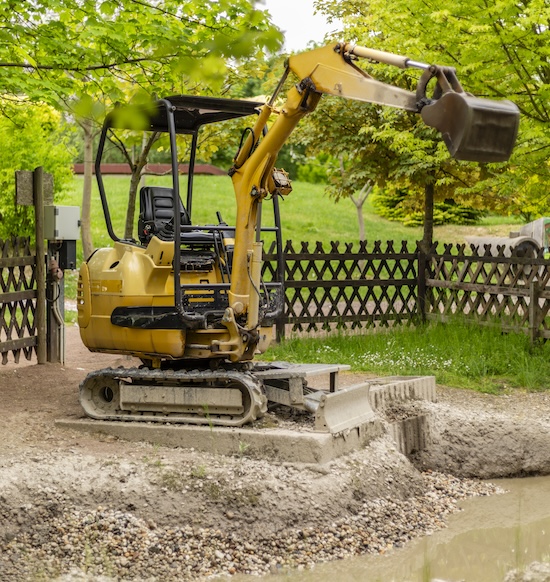
Machines that perform reliably in March can show real signs of stress when they’re running continuously in 95-degree heat with high humidity. It rarely shows up as a dramatic failure. More often, it looks like:
- Equipment overheating and requiring unplanned shutdowns
- Slower mechanical performance during peak afternoon hours
- Accelerated wear that accumulates over time
For contractors managing tight schedules, even minor slowdowns can have a lasting domino effect.
There’s also an insurance coverage gap that’s easy for many to miss—tools and machinery coverage.
Not all commercial policies cover mechanical breakdown or loss of use in the same way. Coverage like inland marine insurance or specialized equipment breakdown protection can be essential, but only if it’s structured correctly before something goes wrong.
Before the season starts, review your policy to know where you’re covered and where you’re not.
Worker Safety: The Risk That Builds Over Time
If equipment issues tend to develop gradually, worker safety risks tend to escalate far quicker.
Construction crews in our state are regularly working in extreme conditions. Along with high temperatures, humidity levels stay punishing from morning through evening, and direct sun exposure is usually unavoidable.
Without intentional breaks and hydration, heat stress can develop faster than most people expect.
When an injury does happen, the impact reaches well beyond the individual. Project timelines shift. Team morale takes a hit. And your workers’ compensation exposure can affect your premiums for years.Early warning signs to look for include fatigue, dizziness, mild headaches, unusual irritability. While many of these are easy to brush off on a busy site, they really increase risks.
How the Best SC Contractors Manage Summer Job Sites
The contractors who handle summer well aren’t necessarily working less. They know how to work smarter. Starting with scheduling.
For instance, early starts, when temperatures are more tolerable, allow crews to complete the most physically demanding work before the afternoon heat peaks.
These contractors also build in regular breaks to their work crew’s schedule, typically during the hottest part of the day. These breaks aren’t meant to slow down projects but used as a performance strategy to keep crews healthy and able to work at top strength throughout the day.
Another tip that can decrease risk is setting crew expectations early. When workers understand what to watch for—both in themselves and in teammates—they’re more likely to speak up when issues arise.
These adjustments don’t just reduce risk but produce more consistent output across the board.
Where Insurance Comes into the Picture
Even with smart scheduling and solid safety practices, risk doesn’t disappear. That’s where having the right insurance coverage becomes critical for South Carolina contractors.
1. Workers’ Compensation
If an employee experiences a heat-related illness on the job, workers’ comp is typically the first line of coverage. This portion of your policy helps with medical expenses and lost wages.
It’s also worth understanding what your policy actually covers and whether your payroll and crew size reflect your current operations.
2. Inland Marine and Equipment Coverage
Equipment that breaks down, gets damaged, or is lost on a job site may fall under inland marine coverage or a dedicated equipment breakdown policy, depending on your insurance structure.
3. General Liability
If a summer incident results in third-party property damage or a situation that affects another party on or near the job site, general liability coverage can come into play. Summer conditions increase the likelihood of incidents involving bystanders, neighboring properties, and project owners.
4. Common Coverage Gaps
Summer has a way of exposing what’s been overlooked. The gaps we see most often with SC contractors are usually the result of policies that were set up correctly at one time but haven’t kept pace with how the business has grown. Just a few of these include:
- Equipment not formally added to the policy
- Workers’ comp coverage doesn’t reflect current crew size or payroll
- Outdated coverage limits
- No inland marine coverage between job sites
- Gaps in liability coverage for larger or more complex projects
None of these are unusual. But they can become real pain points.
Is It Time to Review Your Coverage?
For most contractors in South Carolina, summer is the highest-stakes period where you need coverage. If your business has changed at all in the past 12-18 months, that’s a strong sign to review your policy.
A review now can give you the reassurance you need as business ramps up.
Taking a proactive approach on the job site and with your insurance coverage is what will keep operations running strong all season long.
How SCIB Works With South Carolina Contractors
At South Carolina Insurance Brokers, we work with contractors across the state from coastal builders in the Charleston and Beaufort areas to roofing, grading, and mechanical crews working inland.
We understand the seasonal pressures of this industry, and we work with multiple carriers to build coverage that reflects your business.
We’re not a 1-800 number. We’re a local team that knows what South Carolina summers demand—and what it means for the people and businesses doing the work.
Ready to make sure your business is covered this summer?
Contact South Carolina Insurance Brokers today for a free contractor risk assessment and coverage review.