
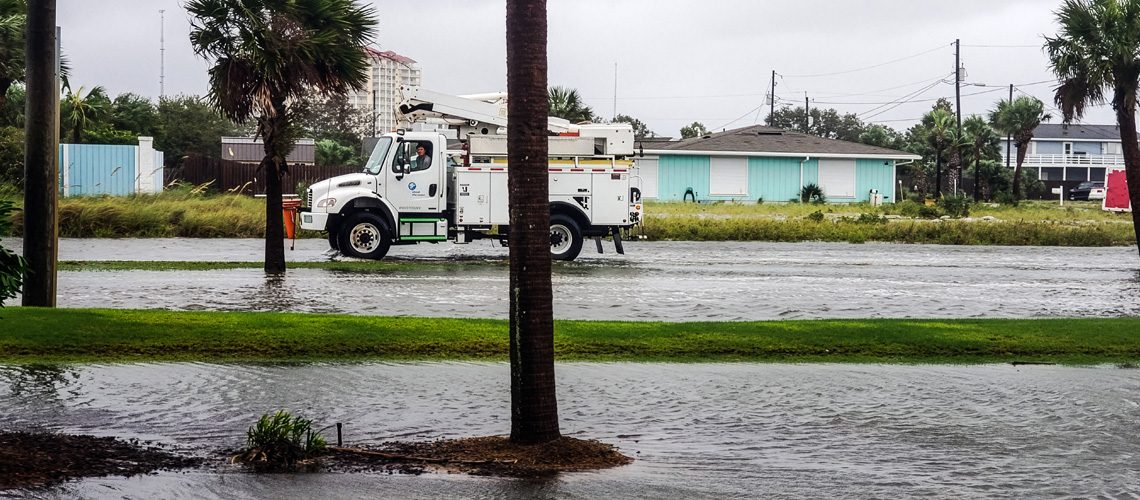

If you own a business in South Carolina, hurricane season isn’t an if but a when. From major storms like Hurricane Helene to massive rainfall patterns that can happen every year, severe weather is a recurring reality that every South Carolinian must prepare for, especially business owners.
A single storm can damage your property, shut down operations for weeks, and put real financial pressure on everything you’ve worked to build.
But here’s the thing: preparation gives you control. With a clear action plan and the right insurance coverage in place, you can protect your business, your employees, and your bottom line.
In this post, you’ll learn how to prepare your business for hurricane season and how to spot common coverage gaps that could lead to costly surprises after a storm.
Why Hurricane Prep Matters for Small Businesses
When a hurricane happens, physical damage is only a small part of the story. A few challenges you can expect to face include:
- Mandatory evacuation orders and forced closures
- Days or weeks of lost revenue with fixed costs still running
- Supply chain delays affecting inventory and operations
- Customer disruption that’s hard to recover from quickly
- Unexpected recovery and cleanup expenses
Even businesses located well inland, like Columbia, Greenville, or Spartanburg, feel the effects of a storm. Flooding, downed trees, and prolonged power outages regularly disrupt businesses far from the coast.
Preparation isn’t just about physically preparing, it’s about staying operational and reopening quickly.
Step 1: Know Your Risk
South Carolina uses a “Know Your Zone” system that identifies areas at elevated exposure for storm surges. This system can help you map out an evacuation plan.
For instance, if your business is in a coastal or in low-lying zones like Charleston, Myrtle Beach, Beaufort, or Hilton Head, understanding your zone helps you act decisively when watches and warnings are issued.
It’s worth noting that Charleston’s downtown peninsula is particularly vulnerable. This area can flood significantly with even modest rainfall, long before a named storm makes landfall. Businesses in this corridor need mitigation practices and a response plan that account for routine, nuisance flooding, and not just hurricane events.
Even if you’re further inland, rivers in the Pee Dee and Midlands regions have a history of significant post-storm flooding.
Step 2: Review Your Insurance Coverage
Our South Carolina insurance firm recommends completing a full coverage insurance review in late spring before the June 1 Atlantic hurricane season begins. This is the single most important thing you can do to protect your business.
What to look for in your review:
- Wind and named-storm deductibles
- Business interruption coverage
- Coverage limits
- Flood insurance
Step 3: Create (and Communicate) a Business Emergency Plan
A hurricane plan is an important communication and operations system that your whole team needs to understand. A strong emergency plan should include:
- Clear employee roles and responsibilities before, during, and after a storm
- Communication protocols for staff, customers, and key vendors
- Defined evacuation or shelter-in-place procedures for your location(s)
- Backup and remote work options if your primary location becomes inaccessible
- A chain of command for decision-making if you’re unreachable
Run through the plan with your team before the start of hurricane season. The worst time to explain evacuation procedures is when a Category 3 is on the coast.
Step 4: Protect Your Property, Equipment, and Employees
Property preparation can significantly limit damage and downtime. Walk your property with a critical eye. Do you have a plan to?
- Secure and store outdoor equipment, furniture, signage, and loose materials?
- Install storm shutters or reinforce windows and entry points?
- Inspect roof, gutters, and drainage?
- Elevate any equipment and inventory?
- Back up all business files to cloud storage?
Also put together a basic emergency kit for your business location and store it in an accessible location.
Step 5: Document Everything
If you ever file an insurance claim after a storm, thorough documentation is the difference between a smooth process and a drawn-out dispute. Before storm season, we recommend:
- Photographing your building, equipment, inventory, and interior spaces
- Creating a detailed asset inventory
- Store all documentation in a secure online filing system
- Keep copies of your insurance policies, vendor contacts, and key financial records offsite or digitally secured
This documentation takes an afternoon, but can save you weeks of headaches (and potentially thousands of dollars) if you need to file a claim.
What Insurance Coverage Actually Does After a Storm
Even with every precaution taken, storms can still hit hard. Here’s how the right coverage responds:
1. Commercial Property Coverage
Covers repair or replacement of your building, equipment, and inventory following storm damage. These terms are subject to your policy terms and applicable deductibles, including any wind or named-storm deductible.
2. Business Interruption Insurance
This coverage often determines whether a business survives.
If you’re forced to close temporarily, business interruption coverage can replace lost income and cover ongoing fixed expenses including rent, utilities, and payroll.
3. Extra Expense Coverage
Helps cover the additional costs of keeping your business running after a loss, things like temporary relocation, expedited shipping to replace inventory, or emergency repairs needed to reopen.
Common Gaps That Catch SC Business Owners Off Guard
At SCIB, we see the same coverage gaps come up time and again, including:
- No flood coverage, despite being in a moderate-risk area
- Coverage limits that haven’t been updated in years and no longer reflect actual asset values
- Missing business interruption coverage entirely
- Not understanding that their hurricane deductible is significantly higher than their standard deductible
- Assuming their lease agreement means the building owner’s insurance covers their business contents
Each of these gaps are easy to fix but only if identified before a storm.
When Should You Talk to an Agent?
Being prepared ahead of a storm can make all the difference. If you haven’t reviewed your policy in the last 12-18 months, now is the time.
How SCIB Works With South Carolina Businesses
A local, independent agency like SCIB can offer something a national call center can’t: we understand what SC businesses are facing. Whether your operation is on the coast in Pawleys Island, along a floodplain in Conway, or in a suburban corridor near Lexington, local knowledge matters when it comes to coverage.
From small retailers and contractors to restaurants and professional service firms, we are the independent insurance firm you need by your side this hurricane season.
A review of your commercial property and liability insurance can help you determine if your current plan has all you need going into this upcoming storm season.
Let us walk you through what you currently have, identify gaps and cost-saving opportunities, and give you clear options on how to better prepare your business. If you haven’t had a full review in the past 12 to 18 months, it’s overdue.
Ready to make sure your business is prepared?
Contact South Carolina Insurance Brokers today for a free business risk assessment and coverage review.
We’ll identify gaps, explore your options, and make sure your business is ready before the next storm hits.